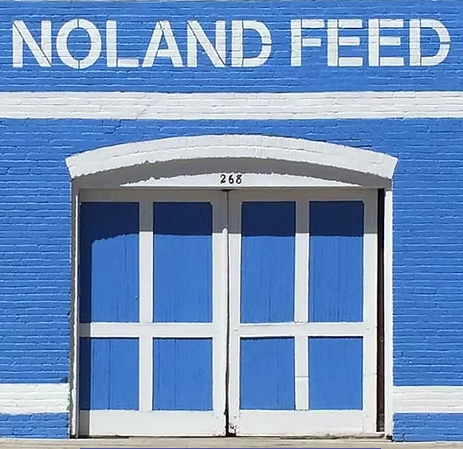
Fencing Systems and Ranch Hardware for Property in Casper, WY
Noland Feed supplies a full line of ranch hardware, electric fencing, and Tarter USA gates in Casper, WY, helping property owners design effective containment systems since 1920.
What gate types handle Wyoming wind and livestock pressure?
Tubular steel gates with reinforced frames resist bending under cattle weight and wind gusts common across central Wyoming's open terrain.
Tarter USA gates feature heavy-gauge tubing and welded joints that maintain shape even when cattle lean or rub. You choose swing or slide configurations based on space and traffic patterns. Chain latches secure gates quickly, and adjustable hinges compensate for uneven ground or settling posts.
Gate width depends on equipment access and herd size. A twelve-foot span allows tractors and hay trailers to pass; a four-foot walk-through gate works well for daily checks. Galvanized coatings prevent rust in snow, rain, and irrigation runoff, extending gate life beyond two decades with minimal maintenance.
How does electric fencing improve pasture rotation?
Portable electric netting and polywire systems let you subdivide pastures quickly, controlling grazing intensity and allowing forage recovery without permanent fence lines.
You move electric netting every few days to give livestock fresh grass while rested sections regrow. Solar-powered energizers eliminate the need for grid power in remote pastures, and lightweight posts drive into soil with a mallet, speeding setup and takedown. Cattle learn to respect the fence after one or two mild shocks, reducing escape attempts.
Permanent electric strands work well along boundary lines where wildlife pressure or neighbor livestock require reliable deterrence. You string high-tensile wire on insulated posts, spacing strands to match animal size. Regular voltage checks ensure the system delivers adequate shock to maintain respect without causing injury.
Can staff help design a multi-use containment plan?
Noland Feed staff review property maps, livestock types, and terrain features to recommend fencing layouts that balance cost, durability, and flexibility.
You bring a sketch showing property boundaries, water sources, and access roads. Staff suggest where to place permanent perimeter fencing and where rotational systems make sense. They calculate post spacing, wire footage, and hardware quantities so you purchase the right amount without excess waste.
Design conversations cover gate placement for vehicle access, corners that reduce wire tension, and bracing techniques suited to soil type. If your property includes steep slopes or rocky ground, they recommend anchoring methods that prevent post heave during freeze-thaw cycles common in Casper winters.
How do freeze-thaw cycles affect fence integrity in Casper, WY?
Repeated freezing and thawing lift posts out of the ground, loosen wire tension, and crack concrete footings unless proper depth and bracing are used.
Casper experiences multiple freeze-thaw events each winter as daytime sun warms soil and nighttime temperatures plunge. You set corner and gate posts below the frost line, typically thirty-six inches, to prevent heaving. Concrete collars around post bases anchor them against upward pressure from expanding soil.
Wire tension fluctuates with temperature; cold contracts wire and increases pull on posts, while warmth slackens strands. Inline tensioners allow seasonal adjustments without re-stretching entire fence sections. Spring inspections identify loosened staples or shifted posts, letting you make repairs before livestock find weak points.
Noland Feed has supported Casper ranchers and property owners since 1920 with durable fencing materials and practical design guidance for every terrain and livestock type. Learn how the right hardware and expert layout advice can simplify your next fence project and improve long-term durability. Request quotes and check hardware availability by calling 307-237-8926 today.