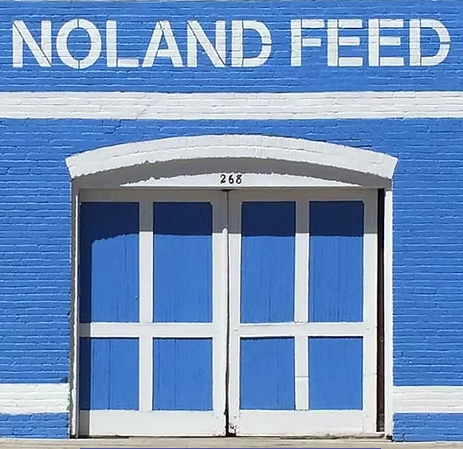
Show Supplies for 4-H and Livestock Exhibitors in Douglas, WY
Noland Feed stocks halters, blankets, grooming products, paint, and livestock show supplements in Douglas, WY, serving 4-H youth and professional exhibitors since 1920.
When should you start preparing for fair season?
Begin halter training and coat conditioning six to eight weeks before your first show date to allow time for muscle development and hair growth.
Early preparation prevents last-minute scrambles and lets you address hoof trimming, nutritional adjustments, and behavior training in manageable steps. You fit your halter and practice leading daily so your animal becomes calm and responsive in the show ring. Consistent handling builds trust and reduces stress on show day.
Coat care starts with dietary changes. Adding flax or sunflower seeds boosts oil content, promoting shine and reducing brittleness. You brush thoroughly every few days to remove dead hair and stimulate natural oils, creating the glossy finish judges notice.
Which grooming tools produce the best finish?
Slicker brushes, metal combs, and finishing sprays remove tangles, lift hair, and enhance volume without causing breakage or static.
Slicker brushes work well on cattle and sheep, reaching through thick coats to the skin and pulling out loose undercoat. Metal combs follow, straightening individual hairs and checking for missed mats. Finishing sprays add sheen and reduce flyaways, especially in dry Wyoming air that can dull hair between washes.
Hoof care tools include nippers, rasps, and polish. Clean, level hooves improve stance and gait, both critical in conformation classes. You trim several days before the show to allow minor adjustments and prevent soreness from over-trimming. Black or clear hoof polish applied the morning of the event completes the polished look.
Can livestock paint improve class placement?
Livestock paint highlights muscle definition and covers blemishes, helping judges see structure and symmetry more clearly under arena lighting.
White paint applied along the topline and down the legs accentuates curves and angles. You blend edges carefully so the effect looks natural rather than artificial. Black paint can deepen shadows around muscle groups, creating the illusion of greater depth and separation in the shoulders and hindquarters.
Practice application at home before the show. Paint dries quickly, so you work in sections and touch up as needed. Weather affects results; high humidity slows drying, while wind can blow dust onto wet paint, so plan application timing around arena schedules and local conditions.
How does Douglas, WY's wind affect show day preparation?
Persistent wind can disrupt grooming efforts, blow dust into freshly washed coats, and dry out hair, requiring extra conditioning and strategic timing of final touch-ups.
Douglas often experiences gusty afternoons during summer fair season. You schedule baths and final grooming early in the morning when wind speeds are lower, then keep your animal sheltered until class time. Blankets protect coats from airborne dirt and help maintain moisture levels in hair shafts.
Wind also impacts livestock behavior. Animals can become skittish or distracted by flapping banners and moving objects. Calm, consistent handling in the days leading up to the show helps your project stay focused even when conditions turn breezy on event day.
Noland Feed has supported Wyoming's 4-H and livestock exhibitors since 1920 with quality presentation gear and decades of show-ring experience. See how the right supplies and local insight can elevate your next fair season performance and build confidence in the arena. Connect with our team or call 307-237-8926 for show supply recommendations before your upcoming event.