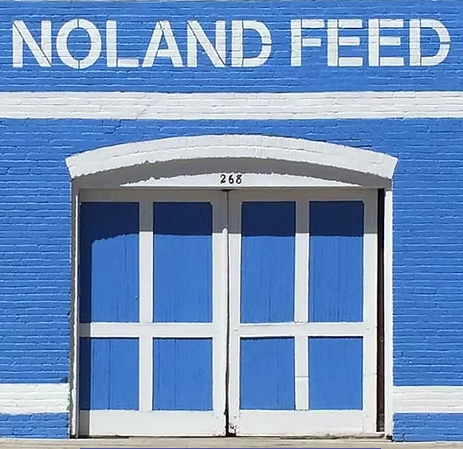
Livestock Feed & Ranch Supplies in Casper, WY: What Noland Feed Stocks and Why It Matters
In Natrona County, winter feeding season can stretch from November through April — longer than most lower-elevation states — because cold temperatures and spring mud keep cattle and horses off pasture well after the calendar says spring. That extended feed dependency means your local supply source is not a convenience; it is a core part of ranch operations. Knowing exactly what is on the shelf before you make the drive matters.
What Ranch Supplies Can You Find Here?
A working ranch needs more than feed bags — it needs the hardware, tack, and materials to keep infrastructure running year-round. Fencing, tack, seed, and show supplies are all stocked alongside animal feed, so one trip covers multiple line items on your list.
Fencing supplies in Casper cover the hardware ranchers reach for after a hard winter buckles a fence line or when spring expansion calls for new enclosures. Tack and pack supplies support working horses and pack animals that stay active through Wyoming seasons. If you manage or reseed pasture after a tough winter, seed supply options include forage varieties suited to high-plains rangeland rather than generic lawn mixes. For livestock owners preparing animals for competition, show supplies round out what a serious operation needs in one location.
Picking up fencing wire, a mineral block, tack hardware, and a season's worth of feed in a single stop cuts the fuel and time cost that adds up fast when you are driving in from the outlying areas of Natrona County.
Do Mineral Supplements Address Wyoming-Specific Rangeland Deficiencies?
Yes — Wyoming rangelands are commonly selenium-deficient, and generic national-brand mineral products are not formulated with that regional gap in mind. A mineral block sourced for Rocky Mountain soils delivers what local livestock actually need rather than what works in the Midwest.
Selenium deficiency in cattle and sheep shows up as poor reproductive performance and muscle weakness. Copper deficiency, also common in high-altitude soils, affects coat quality, immune response, and growth rates. In early spring, when lush new grass comes in fast, magnesium needs spike and grass tetany becomes a real risk for grazing cattle. These are not abstract concerns — they are seasonal patterns that repeat every year across Natrona County ranches.
A regionally appropriate mineral program works alongside your feed ration rather than as a standalone product, which is why buying both from the same source — where staff understands the local soil picture — produces better outcomes than mixing a generic mineral with specialized feed.
How Does Buying Local Compare to a National Chain for Wyoming Ranchers?
Staff at a locally owned feed store in Casper understand Natrona County soil conditions, common livestock breeds in the region, and the seasonal feeding calendar that Wyoming ranching actually follows. That practical knowledge changes the quality of the recommendation you walk out with.
Big-box staff can scan a barcode but typically cannot advise on selenium supplementation levels, local hay quality gaps, or breed-specific feed ratios for cattle wintering on the High Plains. When a question about a feed transition or a mineral deficiency comes up, the answer at a local store comes from someone who has fielded the same question from ranchers in the same county, not from a product training module.
Loading assistance is a practical factor that gets overlooked until you are moving bulk feed bags or heavy fencing supplies alone. A local store provides hands-on help that a warehouse-format chain does not. For ranchers driving significant distances into Casper, that physical help at the counter directly affects how much you can accomplish in one trip.
Stocking Up Before a Wyoming Winter
Casper winters average well below freezing from November through March, and High Plains wind chill drives caloric burn in cattle and horses higher than the thermometer alone suggests. Stocking feed and supplies before the season closes in reduces the number of trips you make in poor driving conditions and lowers your per-unit cost when buying in volume.
Bulk orders allow ranchers to pull forward purchases when conditions allow and avoid scrambling for supply mid-winter when demand is highest. Combining a bulk feed order with fencing materials and mineral stock in one visit makes the economics of the drive work in your favor. Hard winters that damage pasture also mean spring reseeding is more likely, so carrying seed supply on the same run is a practical forward-planning step.
Animal health products round out a full supply run — keeping treatment options and preventatives on hand reduces emergency trips at the worst times of year, and buying them alongside feed keeps your inventory aligned with your feeding calendar.
Having a reliable local source that stocks everything from mineral blocks to tack and pack supplies means fewer gaps in your operation when the weather turns.
A single well-stocked local stop reduces drive time, keeps costs predictable, and connects you with staff who understand the seasonal and soil conditions specific to Wyoming ranching.
Schedule your next supply run with Noland Feed and see how much ground one trip can cover.